
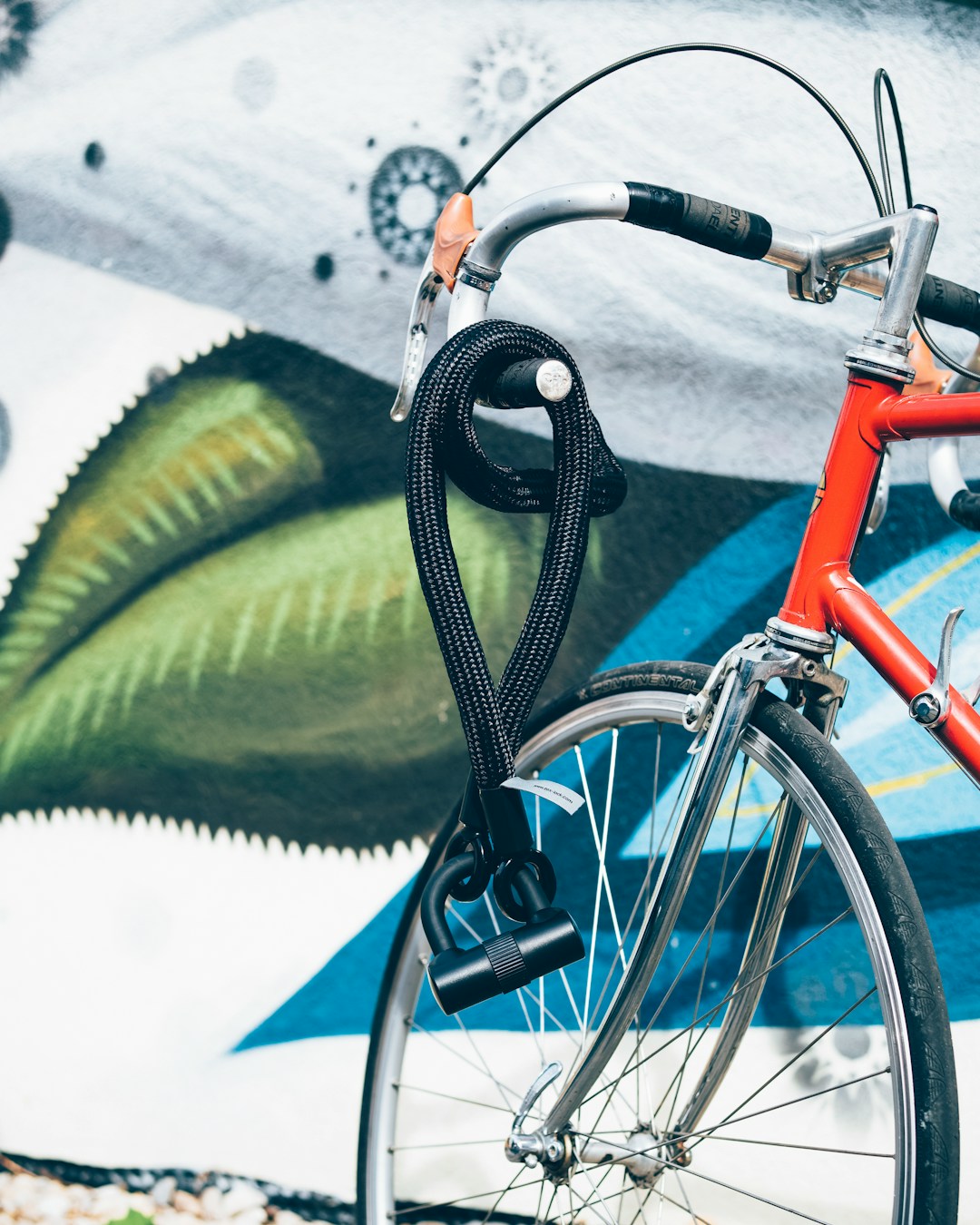
An expensive lock is not automatically the right lock. For an e-bike or fatbike, what matters most is the combination of certification, ease of use and how you actually secure the bike. A heavy chain lock that stays at home because it is inconvenient will not help you when you are out. A compact folding lock that cannot reach around anything useful is not much better.
At FietsGenot, we therefore start with your daily situation: where is the bike parked, how long does it stay there, and do you need to attach it to a fixed object? Only then does it make sense to compare brands and models.
Start with your insurance, not the brand
In the Netherlands, bicycle locks are often sold with an ART security rating. ART-approved locks are divided into different security classes. ART-2 is a commonly required level for bicycles. Insurers may impose additional requirements, especially for electric bikes or higher-value bicycles, so always check your own policy conditions before buying.
ANWB, for example, states that its bicycle insurance requires at least one ART-2 lock and, for e-bikes, a second ART-2 lock. That is an example of one insurer's policy conditions, not a general legal requirement for every cyclist.
Why one frame lock is often not enough
A frame lock prevents someone from simply riding away, but the bicycle can still be lifted and taken. Dutch police advise securing the frame to a fixed object and, preferably, using more than one good lock. A chain or cable is best positioned high and with some slack, so a thief has less leverage from the ground.
For that reason, many e-bike and fatbike owners use a combination of a frame lock and a second separate lock that secures the frame to a bike rack or post.
Chain lock, folding lock or U-lock?
| Type | Main advantage | Pay particular attention to |
|---|---|---|
| Chain lock | Flexible around thick posts and racks | Weight, length and how you carry it |
| Folding lock | Compact to carry in a frame holder | Reach around wider fixed objects and overall weight |
| U-lock | Rigid construction and relatively compact | Whether the shackle fits around both frame and fixed object |
| Frame lock | Quick for short stops | Do not rely on it as the only lock for a valuable bicycle |
Three specific locks worth comparing
The examples below show three different approaches. This is not a hands-on test or ranking. Always check the current ART approval and the requirements of your own insurer.
ABUS BORDO GRANIT 6500K
This folding lock uses 5.5 mm hardened-steel bars and comes with a frame holder. According to ABUS, the 90 cm version weighs 1.67 kg. ABUS lists ART approval 4049 and positions the model for bicycles with a high theft risk.
Worth considering if: you want a robust lock that can be carried neatly on the bike. Check in advance whether 90 cm is enough for the objects you usually lock your bike to.
View the specifications at ABUS →
AXA Fold Ultra 90
AXA lists ART-2 approval, a length of 90 cm and a weight of around 1.69 kg for the Fold Ultra 90. The holder can be mounted to bottle-cage bosses or attached to frames without those mounting points using the supplied AXA Fix system.
Worth considering if: you want a folding lock for an e-bike, cargo bike or city bike and prefer a fixed holder on the frame.
View the Fold Ultra 90 at AXA →
Kryptonite Evolution 1090 Integrated Chain
Kryptonite describes this chain as using 10 mm six-sided manganese-steel links, with a length of 90 cm and a weight of about 2.77 kg. You will notice that weight when carrying it every day, but the flexible chain shape is useful around thicker racks or posts.
Worth considering if: flexibility matters more to you than low weight. For Dutch insurance purposes, check separately whether the exact version meets your policy requirements.
View the Evolution 1090 at Kryptonite →
How to secure a fatbike or e-bike more effectively
- Secure the frame to an object that cannot be moved.
- Preferably use two different types of security if the bike is parked outside for longer periods.
- Do not leave a loose chain lock stretched tight on the ground.
- Choose a visible, well-lit location or a supervised bicycle parking facility.
- Record your frame number and keep your purchase receipt and key information.
- Regularly check the lock, holder and mounting points for damage.
What would we choose ourselves?
There is no single model that suits everyone. For daily commuting, we often find a good folding lock practical because it can be carried neatly on the frame. If the bicycle is regularly left for a long time in busy public areas, a heavy chain can be more useful because it gives you more options for what you can lock the bike to. With an expensive e-bike or fatbike, your insurer's requirements matter as well.
Already have one lock and wondering what makes sense as a second lock? Bring the bike, or a photo of the current setup, to FietsGenot in Lelystad. We can look at your real use case together.
Sources
- Dutch police: tips for preventing bicycle theft
- ANWB: ART lock explanation and insurance conditions
- Productinformatie van ABUS, AXA en Kryptonite via de hierboven gelinkte fabrikantpagina’s.
This article currently contains no affiliate links and is not a hands-on test of the locks mentioned.
Atmosphere photo: Markus Spiske / Unsplash.